VOZEL
Žiga Divjak, Klara Kovačić, Anja Sabol, Vanda Velagić

 Portal of Slovenian Performing Arts
Portal of Slovenian Performing Arts
Theatre premieres, reviews and opinions, Slovenian Theatre Encyclopedia
More than 12,000 productions since 1867
Žiga Divjak, Klara Kovačić, Anja Sabol, Vanda Velagić
Rainer Werner Fassbinder
Srečko Kosovel, Fanica Obid
Zofka Kveder
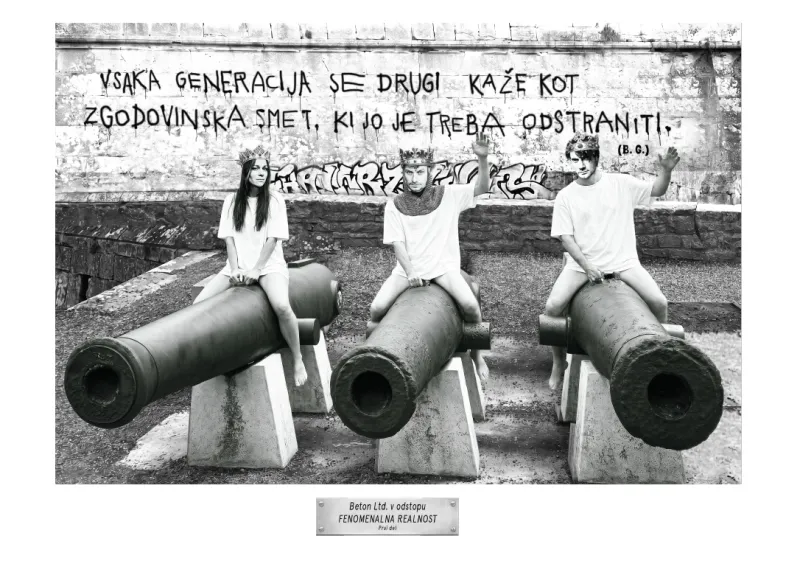
Beton Ltd. v odstopu: Fenomenalna realnost: Prvi del. Zavod Bunker, datum premiere 3. 9. 2026, datum ogleda 5. 9. 2026.
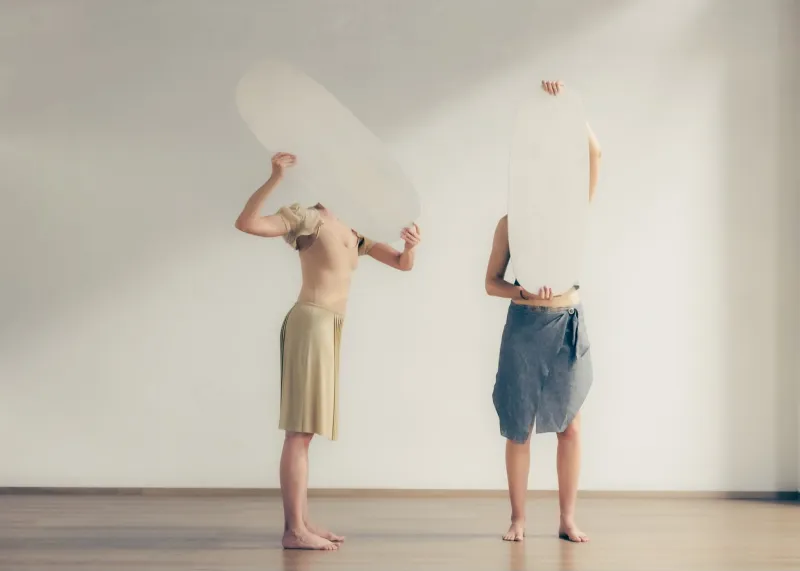
Kristýna Peldová in Enya Belak: Razkriti trenutki. Galerija Škuc, Ljubljana, 25. 7. 2026.
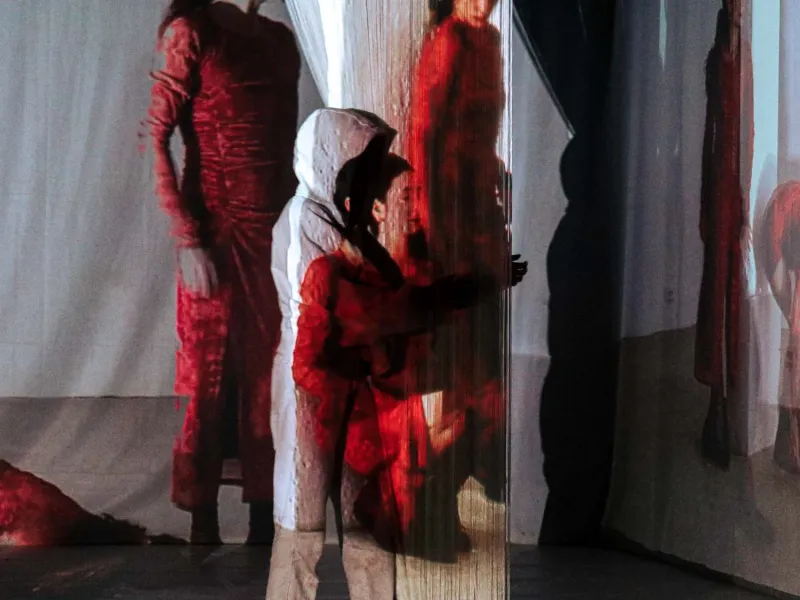
Milost nemogočega. Muzeum, Projektni prostor DUM, 2. 7. 2026.
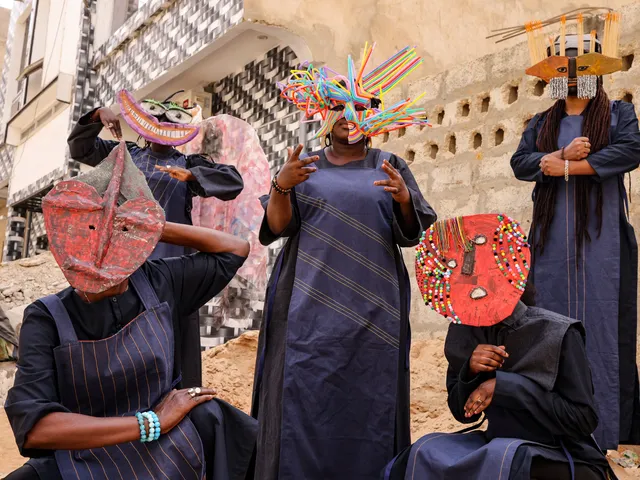
Recenzija predstave Volk v ovčji preobleki (Zavod Exodos Ljubljana in partnerji projekta: Grand Théâtre Dakar, Mcu Dakar, Lutkovno gledališče Ljubljana, Kuga studio in festival Druga godba Ljubljana....
Refleksija predstave Tkivo (Anamaria Bagarić in Tajda Podobnik) v Plesnem teatru Ljubljana, julij 2026.
Vexations – Vaje v nelagodju. Režija in koreografija: Mateja Železnik. SNG Opera in balet Ljubljana, ArtLab, oder -3. Datum ogleda premiere, 11. 7. 2026.
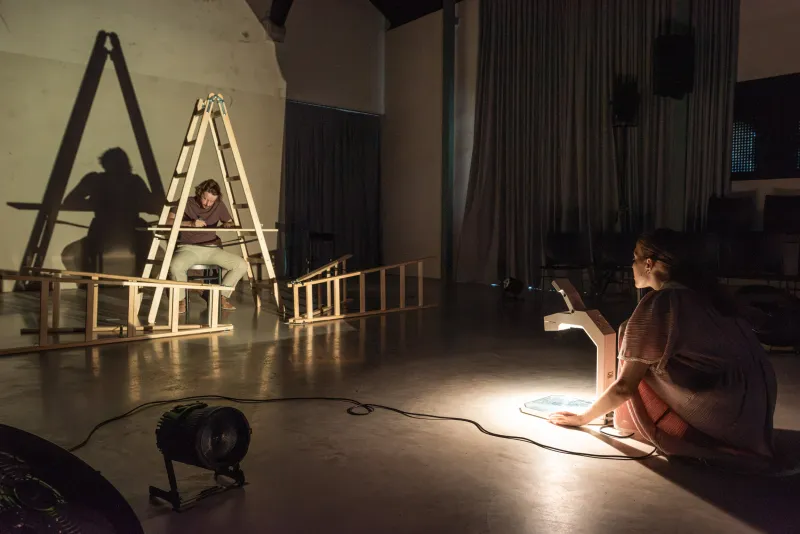
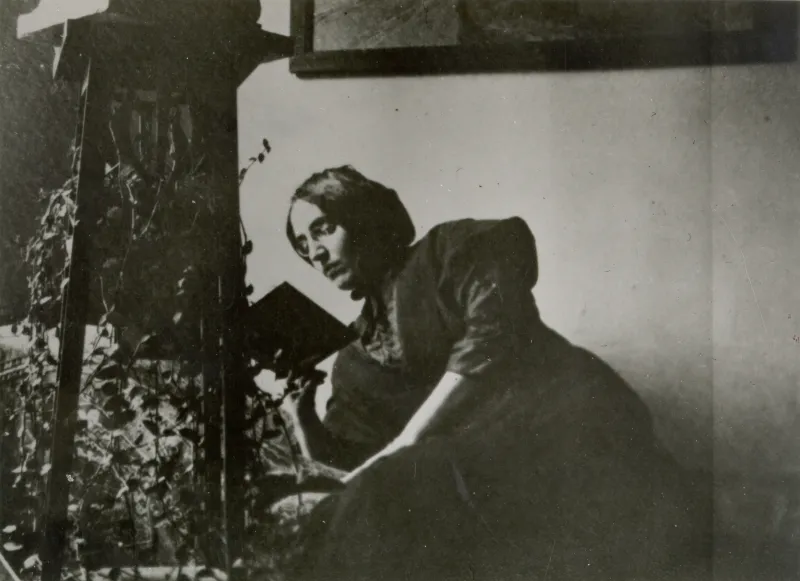
A story about a mermaid is often understood as a fairy tale that describes the transformation from a girl to a woman, a story about a woman who sacrifices herself for her man. The text of a mermaid follows this path in reverse – the path of a married woman, one who has sacrificed enough, reversing to being a free girl, a free being.
Based on a short story by Raymond Carver, this play explores the relationship between a man and a woman through a collage of different dramatic approaches: dramatic dialogues, quotes, comments, images, monologues, lists, fragmentary memory records and audio recordings.
The play Fairies in Slovenia focuses on the issue of shame through the stories of four young female characters who are confronted with experiences of abuse, illness and loneliness in times of precariousness, gentrification and social insecurity. The intimate stories of these individuals offer insight into the deep-rooted power of the patriarchy, which manifests itself in personal relationships as well as in sexism – and sexual abuse – but above all in precarisation and public health.